Macedonia
 English
 Deutsch
 Подршка
Why Is the Textile Embroidery Machine Market Gaining Rapid Demand Globally?
Блог од заедницата |
2026-02-16 09:29:28
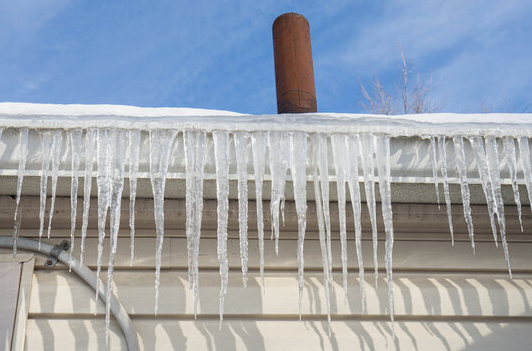
Winter brings both beauty and challenges to homeowners, particularly when it comes to managing ice and snow on rooftops. One common concern many homeowners face is the formation of icicles along the roof edge. These glittering ice formations may look picturesque, but they can pose serious safety hazards and potentially damage a home. This has led many to wonder: Do gutter guards cause icicles? Understanding the relationship between gutter guards, roof conditions, and icicle formation is crucial for winter home maintenance.
What Are Gutter Guards?
Gutter guards are devices installed over the openings of gutters to prevent debris such as leaves, twigs, and seeds from clogging the gutter system. They come in a variety of types, including mesh screens, reverse curve designs, foam inserts, and micro-mesh panels. The primary goal of gutter guards is to maintain water flow through gutters, reduce maintenance, and protect the home’s foundation, siding, and landscaping from water damage.
While gutter guards are generally effective at keeping debris out, they also influence how snow and ice behave on the roof and in the gutters. This is why some homeowners ask whether gutter guards contribute to icicle formation.
How Icicles Form
To understand the connection between gutter guards and icicles, it’s important to first understand how icicles form. Icicles typically appear under the following conditions:
The key factor in icicle formation is the cycle of melting and refreezing. Anything that disrupts normal water flow—such as clogged gutters, uneven roof heating, or even certain types of gutter guards—can influence how and where icicles form.
The Role of Gutter Guards in Icicle Formation
Some homeowners suspect that gutter guards themselves cause icicles, but the reality is more nuanced. Here’s how gutter guards can influence icicle formation:
It’s important to note that gutter guards themselves do not generate icicles—they only influence the path that water takes. Icicles primarily result from roof heat, snow accumulation, and freezing temperatures.
Factors That Increase Icicle Formation
Even with gutter guards installed, icicles are more likely to form under certain conditions:
How to Reduce Icicle Formation With Gutter Guards
While gutter guards may influence icicle formation, there are several strategies homeowners can implement to minimize risk:
Myths vs. Reality
A common myth is that gutter guards are inherently dangerous in winter. While it’s true that some designs can contribute to localized icicle formation, gutter guards do not directly cause icicles. Icicle formation is primarily driven by roof conditions, snow, and freezing temperatures. Proper installation, maintenance, and winter preparedness make a significant difference.
Conclusion
So, do gutter guards cause icicles? Not directly. However, they can influence how water flows from the roof to the gutter, potentially affecting where and how icicles form. The real culprits behind icicle formation are heat loss from the attic, heavy snow accumulation, and freezing temperatures that cause the cycle of melting and refreezing. By selecting the right type of gutter guard, ensuring proper insulation and ventilation, and maintaining your gutters throughout the winter, homeowners can enjoy the benefits of gutter guards without worrying excessively about icicles.
Understanding the relationship between gutter guards and winter ice is key for any homeowner looking to protect both their property and their safety. With the right approach, you can keep your gutters clear, reduce icicle hazards, and maintain a beautiful, safe home through the winter months.