English
 Macedonia
 Deutsch

AI in Cardiology Market Growth Accelerates with Rising Demand for Precision Medicine
Здравје |
2026-04-23 13:54:32
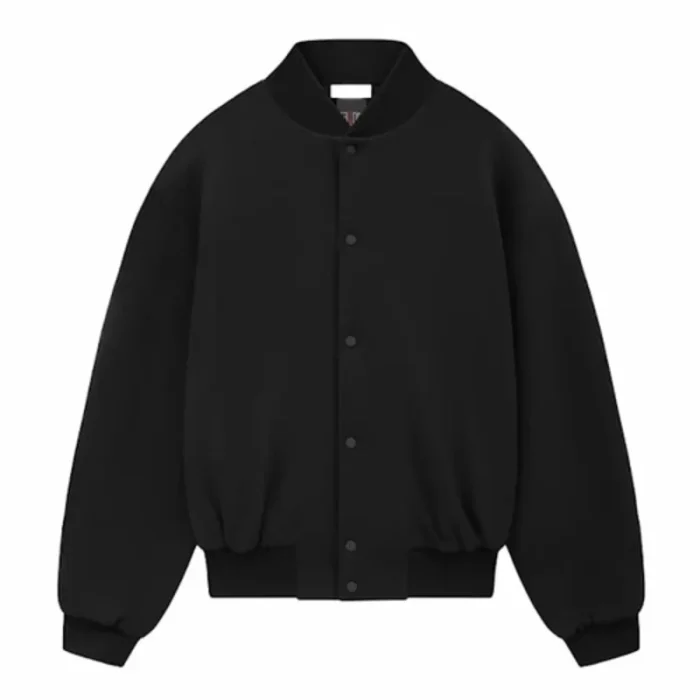
In the fast-evolving world of streetwear and high-end fashion, one name has consistently managed to capture the attention of style enthusiasts and collectors worldwide: **©SAINT M×××××× (Saint Michael)**. If you have ever scrolled through premium fashion lookbooks or stepped into an elite boutique, you have likely noticed this brand's distinct aesthetic. Their t-shirts, hoodies, and jackets feature a heavily worn-out, faded, and distressed look, yet they sit comfortably on the highest shelves of luxury retail.
For casual onlookers and even seasoned fashion lovers, a natural question always arises: *Why does Saint Michael clothing command such a premium status? Is it merely a byproduct of temporary internet hype, or is there a genuine, concrete reason behind its high-end positioning?*
To truly understand what makes Saint Michael so highly valued, we need to peel back the layers of its design philosophy, production methods, and structural rarity. Here is the ultimate deep-dive into why Saint Michael clothing maintains its ultra-premium status.
The soul and prestige of any fashion house are directly tied to its creators. Saint Michael is not a mass-market brand conceptualized by an anonymous corporate design team. Instead, it was launched in 2020 as a joint venture between two of the most respected and influential figures in modern sub-culture and streetwear:
**Yuta Hosokawa:** The visionary founder of the acclaimed Japanese luxury upcycling brand **READYMADE**. Hosokawa is globally celebrated for his ability to deconstruct vintage military gear and rebuild it into high-fashion masterpieces. He possesses an incredibly deep, almost scientific understanding of fabrics and garments.
* **Cali Thornhill DeWitt:** A legendary multi-media artist, photographer, and designer based in Los Angeles. DeWitt is famous for his profound influence on the music and art scene, famously designing the iconic, text-heavy merchandise for Kanye West’s *The Life of Pablo* era.
When Japanese avant-garde craftsmanship meets Los Angeles sub-cultural art, the resulting brand instantly bypasses standard streetwear tiers. It enters the realm of wearable art. When someone purchases a Saint Michael piece, they are buying a physical manifestation of a curated artistic collaboration, making the garment inherently more valuable than standard commercial fashion.
Every single garment produced by Saint Michael carries the prestigious **"Made in Japan"** tag. In the global textile and fashion industry, this label is not just a geographical indicator; it is a universally recognized gold standard for absolute perfection, durability, and premium manufacturing.
Japan is home to some of the finest cotton mills, traditional dye houses, and weaving facilities in the world. Saint Michael sources custom, heavy-weight, high-density cotton fabrics that are specifically engineered to endure intense treatments without losing their structural integrity. The production process is deliberately slow, prioritizing meticulous quality control over mass quantity. This dedication to superior raw materials raises the baseline creation value long before a design is even printed.
While contemporary fast-fashion relies on hyper-modern, high-speed automated machinery that can pump out thousands of t-shirts in minutes, Saint Michael deliberately takes a step backward into heritage production. The brand utilizes **special traditional and vintage sewing machines** to construct their garments.
Operating these vintage machines requires immense skill, patience, and the hands of master artisans. These machines stitch fabrics together in a way that modern automated lines cannot replicate. The result is a highly durable, flexible flatlock stitch that remains incredibly comfortable against the skin, ensuring the seams never irritate the wearer and never unravel, even after years of heavy wear.
What truly sets Saint Michael apart from almost every other luxury streetwear brand is its revolutionary **vintage aging process**. The brand manufactures completely new, structurally sound garments but applies specialized treatments so they look and feel exactly like rare, archival rock tees or heritage sportswear from the 1950s and 1960s.
Achieving an authentic vintage patina on a brand-new garment is an incredibly difficult, multi-tiered, and resource-intensive process:
Instead of using harsh, standard industrial chemicals that weaken fabric fibers, Saint Michael utilizes specialized enzyme washes and ozone treatments over prolonged cycles. This mimics decades of natural sun-fading and washing, giving the fabric an incredibly soft, lived-in texture while naturally mellowing the colors.
The frayed edges, subtle holes, and worn-down collars seen on Saint Michael hoodies and tees are not produced by random machine lasers. Every single tear and distressed element is applied individually by an artisan using hand-tools and sand-paper. Because of this human touch, the distressing pattern varies slightly from one garment to another.
The cracks visible on Saint Michael graphics are a deliberate, engineered design choice rather than a defect. The brand uses custom-formulated inks paired with a precise, high-temperature curing process. This ensures that while the print looks beautifully fractured and retro, it bonds permanently to the fabric and will not peel away or degrade further in the wash.
Because of these extensive hands-on treatments, **no two Saint Michael garments are identical**. Every individual piece possesses its own subtle nuances, offering a level of personalization and uniqueness typically reserved for elite haute couture.
Saint Michael garments serve as canvases for deep cultural, philosophical, and social commentary. The graphics, primarily conceptualized by Cali Thornhill DeWitt, reject generic logos in favor of bold, edgy, and layered visuals.
The brand’s aesthetic heavily incorporates:
* Classic Christian iconography (representations of Angels, Jesus Christ, and Saint Michael the Archangel).
* Rebellious, anti-establishment, and punk-rock themes.
* Satirical takes on mid-century American advertising and pop culture.
These designs resonate strongly with youth culture and fashion collectors who view clothing as a form of self-expression. Wearing a Saint Michael piece signals an appreciation for deeper artistic ideologies, sub-cultural history, and complex graphic design.
A fundamental rule of mass-market fashion is to immediately replicate a successful design to maximize sales volume. Saint Michael operates on the exact opposite principle: **strict scarcity**.
The brand limits its production runs drastically. A specific graphic or hoodie design might only see a few hundred units produced worldwide. Furthermore, Saint Michael does not distribute to typical department stores; their collections are strictly allocated to a highly curated network of global luxury boutiques (such as GR8 in Tokyo, Union LA, and Dover Street Market).
Because the global demand overwhelmingly exceeds the limited supply, collections routinely sell out within moments of release. This intentional scarcity fuels an aura of exclusivity, transforming the clothing into a highly coveted commodity.
Due to the limited availability of their drops, Saint Michael has established a massive presence within the premium secondary fashion market. Collectors and style purists frequently search platforms like Grailed and luxury archival marketplaces to source past-season releases.
Within the streetwear community, buying a Saint Michael garment is often viewed as acquiring a collectable asset. The brand's pieces retain their desirability long after their initial release date, meaning fashion enthusiasts can wear and enjoy the clothing knowing it holds a permanent, respected place within fashion sub-culture.
When looking at the big picture, the premium status of Saint Michael is neither an accident nor a result of hollow social media hype. It is a calculated reflection of **uncompromising artistic direction, elite Japanese manufacturing, rigorous hand-craftsmanship, and absolute exclusivity**.
When you invest in a piece of Saint Michael clothing, you are securing:
1. The collaborative genius of Yuta Hosokawa and Cali Thornhill DeWitt.
2. The structural perfection of Made-in-Japan heritage textiles.
3. An extensive, artisanal aging process requiring hours of manual labor.
4. A limited-edition garment that is virtually unique to you.
For individuals who appreciate the intersection of contemporary art, vintage heritage, and sub-cultural identity, Saint Michael represents the pinnacle of modern luxury streetwear. It is not just casual apparel—it is wearable modern art.