English
 Macedonia
 Deutsch

How Vanilla Flavor Trends Are Influencing Consumer Preferences
Здравје |
2026-05-19 04:30:53
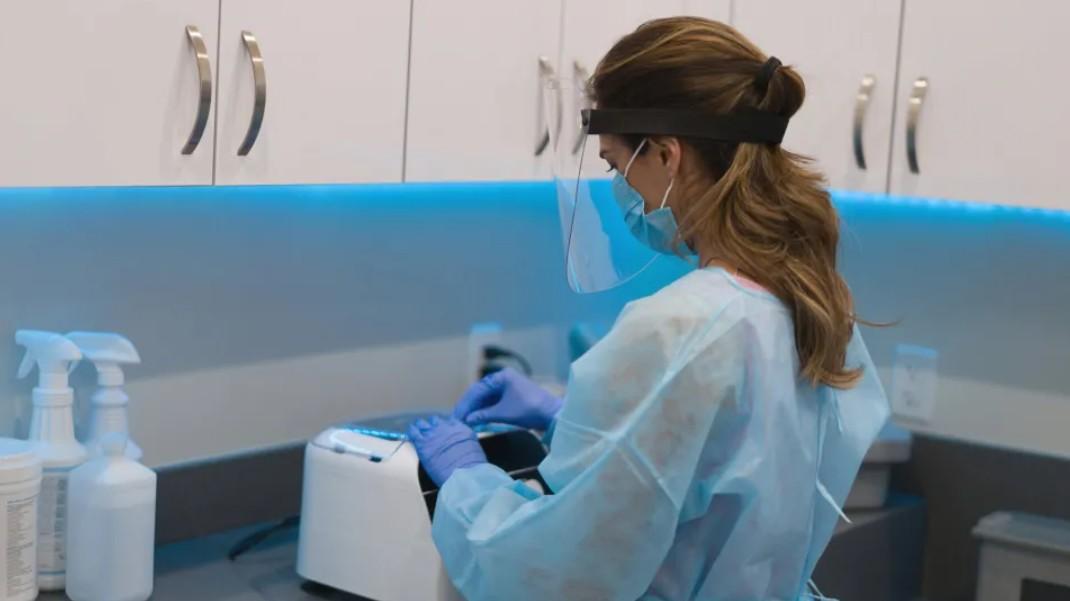
Ensuring the absolute sterility of surgical instruments is one of the most critical responsibilities within any modern healthcare facility. Steam sterilization remains the gold standard for processing medical devices because heat, moisture, and pressure work synergistically to destroy microbial life efficiently. However, the integrity of this entire sterilization cycle depends heavily on the quality of the steam entering the chamber. When steam contains an excessive amount of liquid water droplets—often referred to as wet steam—it can compromise the drying phase, leave instruments damp, and potentially harbor microbial contaminants upon package cooling. Healthcare facilities must establish rigorous daily testing protocols to identify moisture anomalies before they threaten patient safety or compromise delicate surgical instrumentation across the operating suite.
To properly execute a steam quality assessment, technicians must first understand what constitutes ideal steam for medical device reprocessing. Saturated steam utilized in healthcare sterilization should ideally possess a dryness fraction of ninety-seven percent or higher, meaning it consists of ninety-seven percent vapor and no more than three percent entrained liquid moisture. If the boiler system, pressure reducing valves, or distribution piping fail to deliver steam within this specified parameter, the excess moisture accumulates on wrap materials and metallic surfaces. This wetness frequently results in wet packs after the drying cycle completes, requiring the entire load to be reprocessed from scratch. Professionals who want to master these technical sterilization dynamics and elevate their career expertise often pursue specialized professional education, such as enrolling in a certified sterile processing technician course that covers steam generation science in meticulous detail. Gaining this foundational knowledge allows reprocessing staff to troubleshoot boiler fluctuations and steam trap failures before they impact daily department operations.
Conducting an accurate daily steam quality test requires precise preparation and strict adherence to institutional safety guidelines. Because technicians will be working directly with high-temperature steam lines and pressurized equipment, personal protective equipment including heat-resistant gloves, eye protection, and appropriate scrubs must be worn at all times. The testing apparatus typically involves a specialized sampling elbow, a calibrated throttling valve, a condensing coil, and a calibrated thermometer or calorimeter designed to measure enthalpy changes accurately. Before initiating the test, technicians must thoroughly flush the sample line to clear out any accumulated condensate or rust debris that could skew the final measurement data. Establishing a clean, consistent testing baseline ensures that the resulting dryness calculations reflect true boiler and distribution performance rather than localized pipe contamination or temporary pressure spikes during morning startup routines.
Once the sample line is thoroughly warmed and purged, the technician initiates the structured testing sequence according to established institutional and manufacturer protocols. By carefully adjusting the throttling valve, steam is allowed to flow through the condensing apparatus into a pre-weighed container of cold water, recording initial and final temperatures alongside mass measurements. These precise temperature and weight metrics are then applied to standard thermodynamic equations to determine the exact dryness fraction of the steam supply. If the calculated value falls below the acceptable threshold of ninety-seven percent, it signals an underlying mechanical issue, such as failing steam traps, poorly insulated distribution headers, or boiler carryover. Identifying these discrepancies early in the morning shift prevents wet load incidents and empowers facilities maintenance teams to resolve pressure regulation issues before critical surgical schedules commence.
The final phase of a daily steam quality monitoring protocol involves meticulous documentation and rapid communication of findings to the appropriate engineering departments. Every test result must be logged into the department quality assurance database, noting the date, time, ambient conditions, calculated dryness fraction, and the initials of the performing technician. If a test fails or yields borderline moisture levels, immediate corrective actions must be triggered, which may include tagging out the sterilizer, notifying facilities management, and holding all sterile packs processed during the compromised window. Maintaining transparent, audit-ready records ensures regulatory compliance with accrediting bodies while fostering a proactive culture of safety and accountability. Through consistent daily vigilance and rigorous testing standards, sterile processing departments safeguard patient health and maintain unwavering confidence in surgical instrument sterility.