English
 Macedonia
 Deutsch

Blue Kitchen Cabinets A Timeless Blend of Style Calm and Personality
Дом и уредување |
2026-07-07 12:12:40
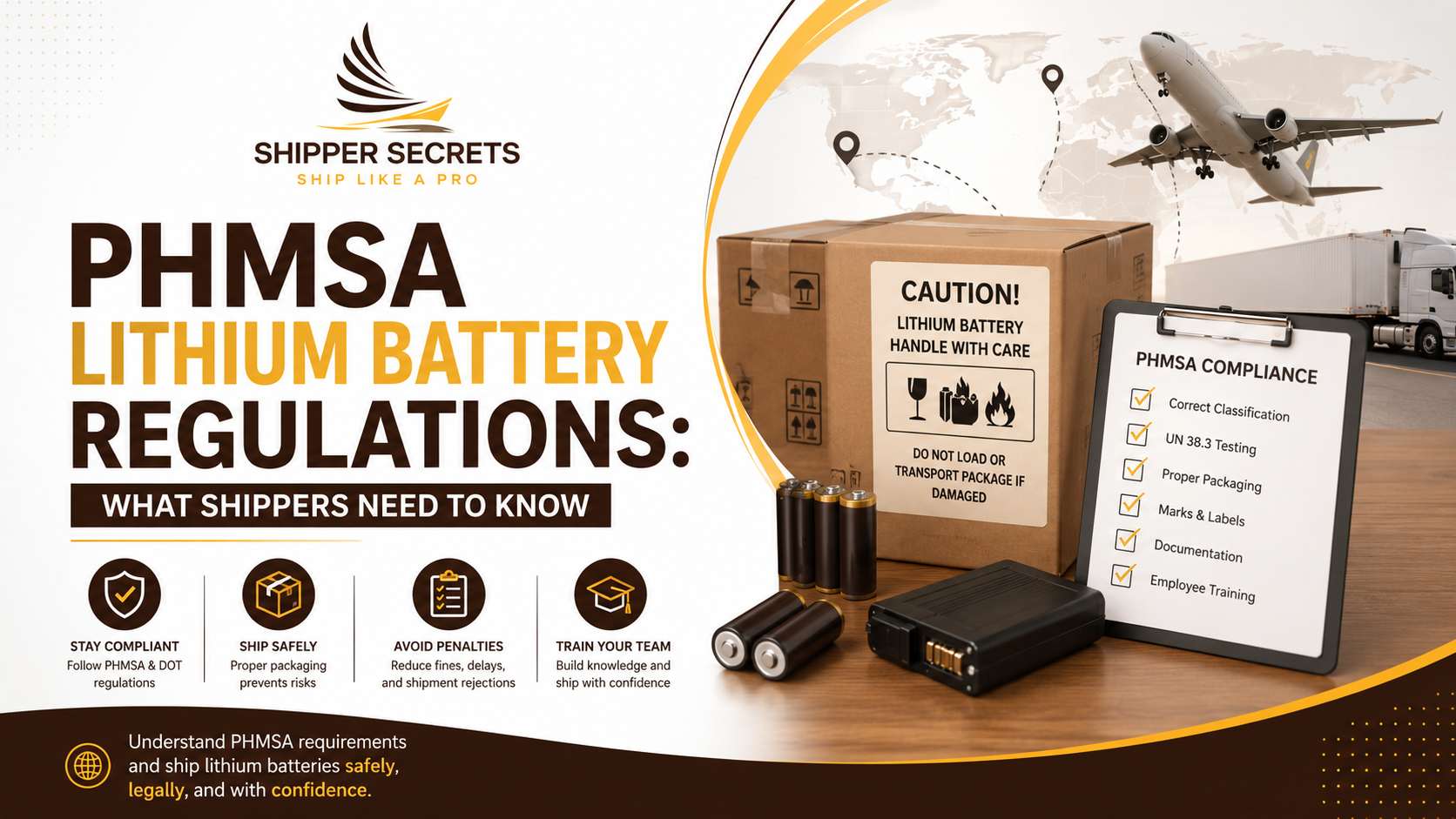
Lithium batteries power smartphones, laptops, medical devices, power tools, electric vehicles, and countless other products. As demand for battery‑powered products grows, more businesses are shipping lithium cells and batteries across the U.S. and internationally.
However, lithium batteries are regulated as hazardous materials during transportation because they can present fire and thermal runaway risks. For U.S. shippers, understanding the PHMSA Lithium Battery Guide for Shippers (2024) is essential for safe and compliant transportation.
The Pipeline and Hazardous Materials Safety Administration (PHMSA), part of the U.S. Department of Transportation (DOT), regulates the transportation of lithium batteries under the Hazardous Materials Regulations (HMR), found in 49 CFR Parts 171–180. Requirements can vary depending on the battery type, size, configuration, packaging, and mode of transportation.
Here’s what shippers need to know in 2026.
👉https://shippersecrets.com/courses/
The Pipeline and Hazardous Materials Safety Administration (PHMSA) is a U.S. Department of Transportation agency responsible for regulating the safe transportation of hazardous materials.
Lithium batteries fall under hazardous materials regulations because they contain significant stored energy and can create safety hazards if damaged, short‑circuited, improperly packaged, or exposed to conditions that trigger thermal runaway.
PHMSA’s requirements apply to lithium batteries transported by highway, rail, air, or water when they are offered for transportation in commerce. For shippers, compliance is not simply about putting a battery inside a box. The shipment must be properly classified, packaged, marked, labeled, documented, and offered for transportation according to the applicable requirements.
The first step is identifying exactly what you are shipping.
The two primary categories are:
Lithium‑ion batteries
Lithium‑metal batteries
The applicable requirements may also depend on whether the battery is:
Shipped by itself
Packed with equipment
Contained in equipment
A cell or a battery
Small or large
New, used, or intended for recycling
Damaged, defective, or recalled
These distinctions can significantly affect packaging, marking, labeling, documentation, and transportation requirements.
For example, lithium‑ion batteries and lithium‑metal batteries have different UN identification numbers and transportation provisions. Shippers should determine the correct classification before preparing a shipment, using guidance from the Transporting Lithium Batteries .
The primary regulation shippers should review is 49 CFR § 173.185, which addresses the transportation of lithium cells and batteries.
This regulation works together with other parts of the Hazardous Materials Regulations covering areas such as:
Hazardous material classification
Packaging
Marking
Labeling
Shipping papers
Training
Emergency response information
Transportation by specific modes
PHMSA’s Lithium Battery Guide for Shippers, updated in October 2024, provides scenario‑based guidance for different lithium battery configurations and sizes under the regulatory requirements in effect following HM‑215Q.
Because requirements can change based on the shipment scenario, businesses should avoid assuming that one set of procedures applies to every lithium battery shipment.
One of the most important compliance considerations is the UN Manual of Tests and Criteria, Section 38.3.
Lithium cells and batteries offered for transportation must have successfully passed the applicable design tests specified in UN 38.3. These tests are intended to evaluate whether battery designs can withstand conditions that may occur during transportation.
Since January 21, 2022, lithium cell and battery manufacturers are required to make test summary documents available upon request. Shippers should work with manufacturers, distributors, or product vendors to obtain the appropriate test summary information when needed.
Before shipping lithium batteries, businesses should confirm that the battery design meets the applicable testing requirements. This is particularly important for businesses that:
Import batteries
Export battery‑powered products
Manufacture electronic products
Distribute battery‑powered equipment
Operate fulfillment centers
Handle returns or recycling
Ship replacement batteries
Keeping appropriate records can also make it easier to demonstrate compliance during an audit or investigation.
Proper packaging is one of the most important parts of lithium battery transportation.
Lithium batteries should be prepared and packaged to prevent:
Short circuits
Accidental activation
Movement that could cause damage
Physical damage during transportation
Contact between battery terminals and conductive materials
The exact packaging requirements depend on the battery type, configuration, size, and transportation method. Shippers should never assume that standard product packaging is automatically sufficient for transporting lithium batteries.
A compliant packaging process may involve:
Protecting exposed battery terminals
Separating batteries from other conductive materials
Preventing movement inside the outer packaging
Using appropriate inner packaging when required
Selecting packaging that meets the applicable performance requirements
Inspecting the package before handing it to the carrier
PHMSA emphasizes that packaging must be appropriate for the applicable regulatory requirements and must protect the batteries throughout transportation. For practical examples, see the Check the Box for Lithium Batteries fact sheet from the U.S. DOT.
Depending on the shipment, lithium battery packages may require specific marks, labels, or other hazard communication.
These requirements can depend on factors such as:
Battery chemistry
Watt‑hour rating
Lithium content
Number of cells or batteries
Whether the battery is installed in equipment
Whether it is packed with equipment
Transportation mode
Applicable regulatory exceptions
Shippers should identify the correct requirements before the package enters the transportation network. Incorrect or missing markings can result in:
Shipment delays
Carrier rejection
Regulatory violations
Fines and penalties
Increased safety risks
The safest approach is to determine the shipment’s regulatory classification first and then apply the marking and labeling requirements that correspond to that specific shipment.
Shipping lithium batteries by air can involve stricter requirements than transporting them by ground.
PHMSA and the Federal Aviation Administration (FAA) have specific safety requirements addressing lithium battery transportation by aircraft. For example, certain lithium‑ion batteries shipped by themselves are subject to restrictions involving passenger aircraft and state‑of‑charge requirements for cargo‑only aircraft. Additional requirements may apply depending on how the battery is packaged and whether it is contained in or packed with equipment.
Air shippers should therefore consider:
Battery type
UN number
Watt‑hour rating or lithium content
State of charge
Packing configuration
Aircraft type
Packaging
Labels and marks
Shipping documentation
Airline requirements
IATA Dangerous Goods Regulations
A shipment that is acceptable for ground transportation may not automatically be acceptable for air transportation.
One of the most important areas of lithium battery compliance is the handling of damaged, defective, or recalled (DDR) batteries.
These batteries may have a greater potential to:
Short circuit
Generate heat
Catch fire
Experience thermal runaway
As a result, they require special handling and transportation considerations. Shippers should never treat a damaged or recalled lithium battery like a normal, undamaged battery shipment.
PHMSA specifically highlights the additional hazards associated with these batteries and provides guidance for businesses involved in transportation, disposal, and recycling. If your business handles returns, warranty replacements, damaged products, or battery recycling, it is especially important to have procedures in place for identifying and segregating potentially hazardous batteries. The Check the Box for Lithium Batteries fact sheet outlines warning signs and basic do‑not‑ship guidance.
Used lithium batteries do not automatically become safe simply because they are no longer powering a device. Batteries being shipped for recycling or disposal can still present fire hazards, particularly if they are damaged or improperly handled.
Businesses involved in battery recycling should pay close attention to:
Terminal protection
Battery condition
Packaging
Short‑circuit prevention
Damage prevention
Transportation mode
Applicable hazardous material requirements
PHMSA advises that used batteries intended for disposal or recycling require careful assessment of potential fire hazards before transportation.
Even the best shipping procedures can fail if employees do not understand lithium battery regulations.
Employees involved in preparing, offering, or transporting hazardous materials may require training under the applicable DOT Hazardous Materials Regulations. Training programs should help employees understand:
How to identify lithium batteries
How to classify shipments
How to determine applicable requirements
How to package batteries
How to apply required marks and labels
How to complete shipping documentation
How to recognize damaged or defective batteries
What to do if a package is damaged
For companies shipping lithium batteries regularly, training should be part of the organization’s overall compliance program rather than an afterthought. Refer to the Transporting Lithium Batteries – PHMSA page for training and compliance resources.
Lithium battery compliance is not only about what happens inside the warehouse. Businesses should maintain appropriate documentation related to their shipments and compliance processes.
Depending on the shipment, records may include:
Battery specifications
UN 38.3 test summary information
Classification information
Packaging procedures
Shipping papers
Training records
Carrier requirements
Incident reports
Recycling or disposal documentation
Good recordkeeping helps businesses demonstrate that they have established appropriate processes and can make it easier to investigate shipping issues.
Many lithium battery shipping problems can be prevented by avoiding common mistakes.
Mistake 1: Assuming Every Battery Ships the Same Way
Lithium batteries vary significantly by type, size, configuration, and condition. Requirements should be evaluated for each shipment scenario.
Mistake 2: Using Ordinary Packaging
A regular cardboard box may not provide adequate protection for every lithium battery shipment.
Mistake 3: Ignoring Battery Condition
A damaged, defective, or recalled battery may require different handling from a new, undamaged battery.
Mistake 4: Forgetting Transportation Mode
Ground, air, rail, and water transportation can have different requirements.
Mistake 5: Skipping Employee Training
Employees who prepare hazardous material shipments need to understand the applicable regulations and procedures.
Mistake 6: Failing to Verify Carrier Requirements
Carriers may have additional operational requirements or restrictions beyond the baseline regulatory requirements.
Mistake 7: Treating Compliance as a One‑Time Task
Regulations and transportation requirements can change. Businesses should regularly review their procedures and update training when necessary.
Before shipping lithium batteries, ask the following questions:
Have we identified the battery chemistry?
Do we know whether the shipment contains cells or batteries?
Is the battery shipped alone, packed with equipment, or contained in equipment?
Has the battery design passed the applicable UN 38.3 tests?
Do we have access to the required test summary information?
Have we determined the correct UN identification number?
Is the battery damaged, defective, or recalled?
Is the packaging appropriate for the shipment?
Are the terminals protected against short circuits?
Are the required marks and labels correctly applied?
Is documentation required?
Are employees properly trained?
Does the selected carrier accept this type of shipment?
Are there additional requirements for air transportation?
Are records being maintained appropriately?
Answering these questions before tendering a shipment can help reduce compliance errors and transportation delays. For detailed rules, consult 49 CFR Part 173 via the eCFR – 49 CFR Part 173.
Lithium battery regulations can be complex because the requirements depend on multiple factors. A small battery installed in consumer electronics may be subject to different provisions than a large standalone battery, a battery being shipped by air, or a damaged battery being sent for recycling.
That’s why proper lithium battery shipping training is so important. A well‑trained shipping team can better identify regulated shipments, select appropriate packaging, understand marking and labeling requirements, and recognize when a shipment requires additional review.
For businesses that regularly ship lithium batteries, investing in employee training can help create a stronger safety and compliance culture. For updates on rules and interpretations, review PHMSA’s Lithium Battery Transportation rulemaking (HM‑215Q).
Understanding PHMSA lithium battery regulations is essential for any business that ships lithium cells, batteries, or battery‑powered products in the United States.
The key is to remember that compliance depends on the specific shipment. Battery type, size, configuration, condition, packaging, and transportation mode can all affect the applicable requirements.
By correctly classifying batteries, using compliant packaging, protecting against short circuits, following marking and labeling requirements, maintaining appropriate documentation, and ensuring employees receive proper training, businesses can improve shipping safety and reduce the risk of costly compliance problems.
Always verify the current requirements applicable to your specific shipment before transportation. PHMSA’s official resources and the Lithium Battery Guide for Shippers are valuable starting points for understanding the applicable U.S. requirements.
PHMSA lithium battery regulations are U.S. hazardous materials requirements governing the safe transportation of lithium cells and batteries. These regulations cover areas such as classification, packaging, marking, labeling, documentation, and employee training.
No. Requirements can vary depending on the battery chemistry, size, configuration, condition, packaging, and transportation mode. Batteries shipped alone may have different requirements from those contained in or packed with equipment.
Yes. Lithium cells and batteries offered for transportation must meet applicable UN 38.3 testing requirements. Manufacturers are also required to make applicable test summary documents available upon request.
Yes, but air transportation may have additional restrictions and requirements. Depending on the battery and shipment configuration, requirements related to packaging, state of charge, marks, labels, documentation, and aircraft type may apply.
Employees involved in preparing or offering regulated lithium battery shipments may require applicable DOT hazardous materials training. Proper training helps employees understand classification, packaging, marking, labeling, documentation, and safe handling requirements.
Don't let complex lithium battery regulations put your shipments at risk. Get the right training and build a stronger compliance process for your team. Explore DOT, IATA, and IMDG lithium battery shipping training from ShipperSecrets and help your employees ship lithium batteries more safely and confidently. 🚀
Start your lithium battery shipping training today and stay prepared for the latest transportation requirements.
📞 Contact Us
📍 868 Cardiff Road, Naperville, IL 60565
📞 708.275.8418
🌐 Get in touch with our logistics experts for reliable shipping and freight solutions. 🚚✈️📦