Macedonia
 English
 Deutsch
 Подршка
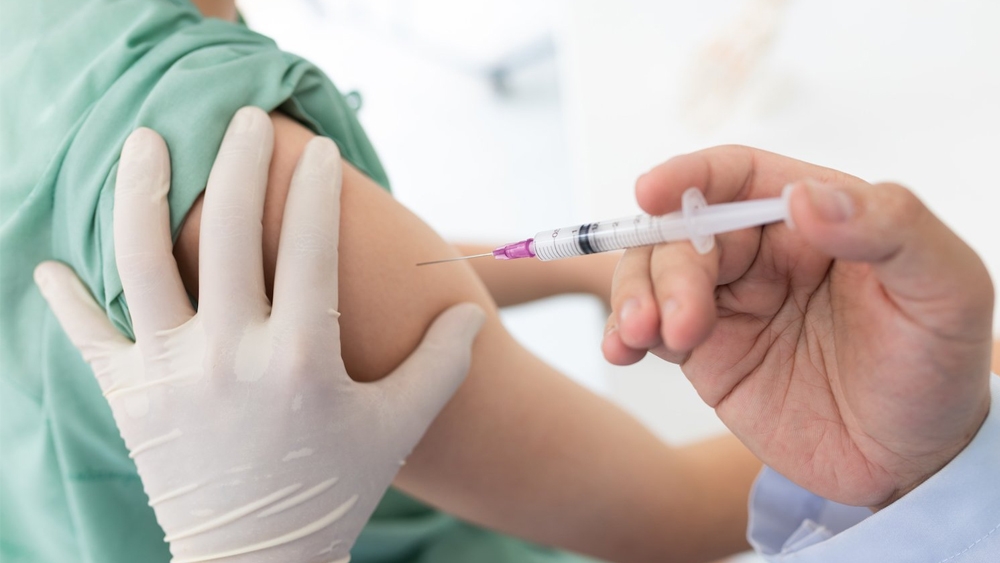
Ensuring patient safety during medical procedures is critical, especially outside a traditional clinical environment. Injection at home offers patients the convenience of receiving essential medications in the comfort of their own homes, but it also requires strict adherence to infection control protocols. Proper measures prevent contamination, reduce the risk of infections, and maintain high standards of care, making home-based injections both safe and effective.
Importance of Sterility in Home Injections:
Maintaining sterility is the cornerstone of infection prevention in home-based care. Key practices include:
-
Using sterile, single-use syringes and needles for every injection
-
Preparing injection equipment on a clean, sanitized surface
-
Avoiding contact between needles and non-sterile surfaces
-
Ensuring that medication vials and pre-filled syringes remain uncontaminated
-
Educating patients and caregivers about the importance of maintaining a sterile environment
Strict adherence to sterility reduces the risk of infection and ensures patient safety during home injections.
Proper Hand Hygiene:
Hand hygiene is a simple yet critical step in preventing infections during home injections. Key practices include:
-
Washing hands thoroughly with soap and water before and after each injection
-
Using alcohol-based hand sanitizers when soap and water are unavailable
-
Wearing disposable gloves during preparation and administration
-
Avoiding touching non-sterile items while handling injection equipment
-
Changing gloves between patients or procedures when necessary
Consistent hand hygiene minimizes the introduction of pathogens and supports safe injection practices.
Site Preparation and Disinfection:
Preparing the injection site properly is essential for reducing infection risks. Key disinfection steps include:
-
Cleaning the site with an alcohol swab or approved antiseptic solution
-
Allowing the antiseptic to dry completely before injection
-
Avoiding reusing swabs or touching the cleaned area with unsterile hands
-
Assessing the skin for signs of infection or irritation before proceeding
-
Rotating injection sites when multiple injections are required
Proper site preparation ensures that the medication is administered safely without introducing harmful bacteria.
Safe Handling of Medications:
Medications used in home injections must be handled carefully to maintain sterility and efficacy. Key considerations include:
-
Storing medications according to manufacturer guidelines, including temperature control
-
Checking expiration dates before use
-
Avoiding touching the needle or medication vial with unsterile hands
-
Using pre-filled syringes or drawing medication under sterile conditions
-
Discarding any unused or contaminated medication safely
Safe medication handling prevents contamination and maintains therapeutic effectiveness.
Safe Disposal of Medical Waste:
Proper disposal of used needles, syringes, and other materials is crucial for infection control. Key disposal measures include:
-
Using puncture-resistant sharps containers for all needles and syringes
-
Ensuring containers are not overfilled and are kept out of reach of children
-
Disposing of medical waste according to local regulations
-
Avoiding recapping needles to prevent accidental injury or contamination
-
Educating patients and caregivers about proper disposal procedures
Safe waste management protects both patients and household members from potential infections.
Monitoring for Signs of Infection:
Early detection of infection is essential for prompt treatment and patient safety. Key monitoring practices include:
-
Observing the injection site for redness, swelling, warmth, or discharge
-
Checking for systemic symptoms such as fever or malaise
-
Educating patients to report unusual signs promptly
-
Maintaining documentation of any complications or adverse reactions
-
Coordinating with healthcare providers for follow-up care if infection is suspected
Monitoring ensures that any potential infections are addressed before they worsen.
Use of Personal Protective Equipment (PPE):
Using PPE reduces the risk of infection for both healthcare providers and patients. Key PPE measures include:
-
Wearing disposable gloves during preparation and administration
-
Using masks if the patient or provider has respiratory symptoms
-
Utilizing protective eyewear when necessary to prevent exposure
-
Replacing PPE between patients or procedures to maintain hygiene
-
Properly disposing of used PPE to prevent contamination
Appropriate use of PPE adds an additional layer of safety in home-based injection care.
Training and Protocol Adherence:
Proper training and adherence to protocols are vital for infection control in home care settings. Key points include:
-
Ensuring nurses and caregivers are trained in aseptic techniques
-
Following standardized protocols for injection preparation and administration
-
Conducting periodic audits to assess compliance with safety measures
-
Staying updated on best practices for infection prevention
-
Encouraging ongoing education and professional development
Training ensures that all home injections are performed consistently and safely.
Patient and Caregiver Education:
Educating patients and caregivers reinforces infection prevention and safe practices. Key educational points include:
-
Proper hand hygiene and site preparation before self-injection
-
Safe handling and storage of medications at home
-
Recognizing early signs of infection and when to seek help
-
Correct disposal of needles, syringes, and other materials
-
Maintaining a clean and organized space for injections
Patient education promotes adherence to infection control measures and ensures long-term safety.
Final Thoughts.
Injection at home care can be safe, effective, and convenient when proper infection control measures are followed. Sterility, hand hygiene, site preparation, safe medication handling, PPE use, and patient education all play a crucial role in preventing infections. Combined with monitoring, documentation, and adherence to professional protocols, these practices ensure that home injections meet the highest standards of safety. By implementing comprehensive infection control strategies, patients and healthcare providers can enjoy the benefits of home-based care while minimizing health risks and promoting positive outcomes.