Macedonia
 English
 Deutsch
 Подршка
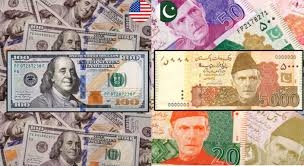
The exchange rate between the United States Dollar and the Pakistani Rupee plays a crucial role in Pakistan’s economy. Whether you are a business owner, an overseas Pakistani sending remittances, a traveler, or an investor, understanding the movement of 1 USD to PKR is essential. Currency exchange rates are not fixed permanently; they fluctuate daily based on a variety of local and global economic factors. These fluctuations directly impact import costs, inflation, foreign trade, and purchasing power within Pakistan.
The value of the US Dollar against the Pakistani Rupee reflects the overall strength of both economies. When the dollar strengthens globally, it often leads to an increase in its value against emerging market currencies, including the rupee. Conversely, when Pakistan’s economic indicators improve, the rupee may gain stability or even appreciate. Monitoring the exchange rate helps individuals and businesses make informed financial decisions.
Understanding The Basics Of Currency Exchange
Currency exchange rates determine how much one currency is worth compared to another. In the case of 1 USD to PKR, the rate shows how many Pakistani Rupees are required to purchase one US Dollar. This rate is influenced by supply and demand in the foreign exchange market.
If demand for dollars increases in Pakistan, perhaps due to higher imports or foreign debt payments, the value of the dollar may rise against the rupee. On the other hand, if foreign investment or remittances increase the supply of dollars in the country, the rupee may strengthen. Exchange rates are dynamic and respond quickly to economic news and policy changes.
Economic Factors Affecting The Dollar And Rupee
Several economic indicators influence exchange rate movements. Inflation is one of the most important factors. When inflation is high in Pakistan compared to the United States, the purchasing power of the rupee declines, often leading to depreciation. Stable inflation and economic growth can support currency stability.
Interest rates also play a significant role. Higher interest rates in a country can attract foreign investment, increasing demand for its currency. If interest rates in the United States rise, global investors may shift funds toward dollar-based assets, strengthening the dollar relative to the rupee.
Trade balance is another key factor. Pakistan imports a significant amount of goods, including fuel, machinery, and raw materials. When imports exceed exports, demand for dollars increases, putting pressure on the rupee. Strengthening exports can help reduce this imbalance and support the local currency.
Impact On Businesses And Consumers
The exchange rate of 1 USD to PKR directly affects businesses engaged in international trade. Importers must pay in dollars, so a higher exchange rate increases costs, which are often passed on to consumers. This can lead to higher prices for fuel, electronics, and other imported goods.
Exporters, however, may benefit when the rupee weakens. A weaker rupee makes Pakistani goods cheaper in international markets, potentially boosting export demand. However, the benefits depend on production costs and global market conditions.
For consumers, currency depreciation can reduce purchasing power. Imported goods become more expensive, and inflationary pressure may increase. This highlights why exchange rate stability is important for overall economic well-being.
Role Of Remittances And Foreign Investment
Remittances from overseas Pakistanis are a significant source of foreign currency inflow. When remittances increase, the supply of dollars in the local market rises, which can support the rupee. Many families rely on remittances, and exchange rate changes can impact the amount they receive in local currency.
Foreign direct investment also influences exchange rates. When international companies invest in Pakistan, they bring dollars into the country, increasing supply and potentially stabilizing the rupee. Political stability and investor confidence play an important role in attracting such investments.
Government Policies And Central Bank Influence
The State Bank of Pakistan plays a key role in managing currency stability. Through monetary policy tools such as interest rate adjustments and foreign exchange interventions, the central bank can influence exchange rate movements. While Pakistan operates under a market-based exchange rate system, the central bank may intervene to prevent excessive volatility.
Fiscal policies, trade agreements, and economic reforms also affect currency strength. Efforts to increase exports, reduce trade deficits, and attract foreign investment can contribute to a more stable rupee over time.
Global Events And Their Influence
Global economic conditions significantly impact the dollar and the rupee. Changes in US monetary policy, global oil prices, geopolitical tensions, and international trade developments can all influence currency values. Because the US Dollar is considered a global reserve currency, it often strengthens during times of uncertainty as investors seek safe assets.
Pakistan’s economy, like many emerging markets, is sensitive to external shocks. Rising global commodity prices or financial crises can put additional pressure on the rupee. Staying informed about international trends helps businesses and individuals anticipate potential exchange rate changes.
Planning Around Exchange Rate Fluctuations
Understanding currency movements allows individuals and businesses to plan better. Importers may time purchases when exchange rates are more favorable, while exporters may adjust pricing strategies based on currency trends. Travelers and students studying abroad also benefit from monitoring exchange rates to manage expenses effectively.
Financial institutions and currency exchange services provide up-to-date rates to help people make informed decisions. While short-term fluctuations are common, long-term trends depend on broader economic fundamentals.
The Broader Economic Significance
The exchange rate of 1 USD to PKR reflects more than just currency conversion; it represents the health and direction of the economy. Stable exchange rates encourage investment, support trade, and maintain consumer confidence. Excessive volatility, however, can create uncertainty and economic challenges.
For Pakistan, strengthening economic fundamentals such as export growth, fiscal discipline, and investor confidence can help maintain currency stability. By understanding the factors that influence exchange rates, individuals and businesses can better navigate financial decisions in a changing economic landscape.