Macedonia
 English
 Deutsch
 Подршка
Alcoholic Beverages Market Dynamics: Key Drivers and Restraints 2025 –2032
Градинарство |
2026-01-29 09:16:15
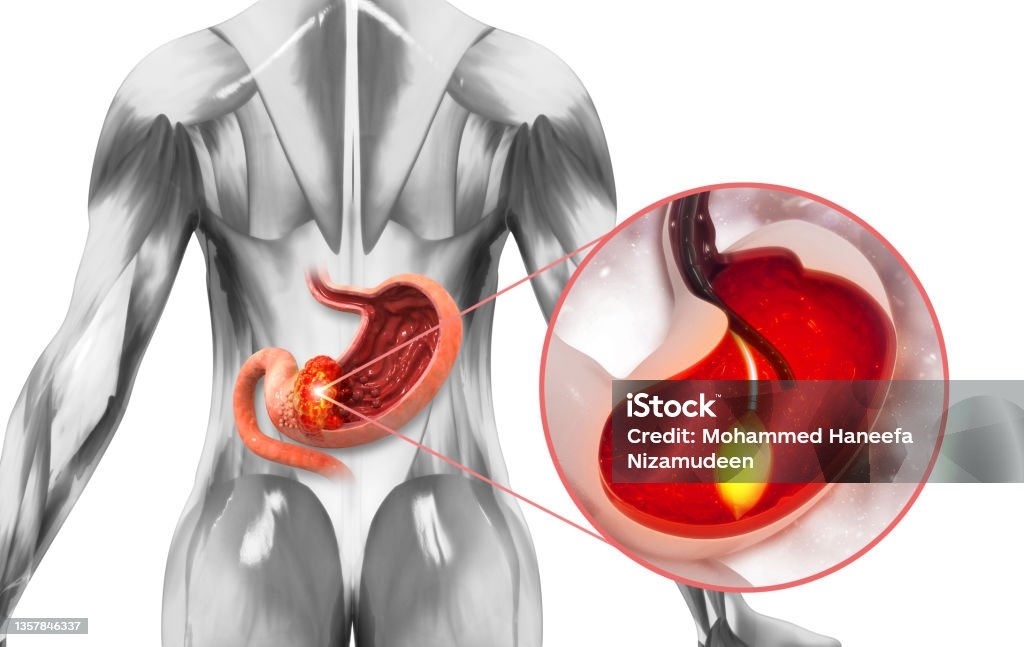
Human fascioliasis is a parasitic infection caused by liver flukes, primarily Fasciola hepatica and Fasciola gigantica. These parasites infect the liver and bile ducts after humans consume contaminated water or aquatic plants such as watercress. Fascioliasis is more common in regions where livestock farming is widespread and sanitation practices are inadequate. Early diagnosis and proper treatment are essential to prevent complications. One of the most effective treatments available today is Triclabendazole.
After ingestion, the immature flukes penetrate the intestinal wall and migrate to the liver, where they mature and begin producing eggs. The infection typically progresses in two stages: the acute (hepatic) phase and the chronic (biliary) phase.
During the acute phase, symptoms may include fever, abdominal pain (especially in the upper right quadrant), nausea, vomiting, fatigue, and an enlarged liver. Eosinophilia, an increased number of eosinophils in the blood, is also common.
In the chronic phase, adult flukes reside in the bile ducts, leading to inflammation and obstruction. Patients may experience persistent abdominal discomfort, jaundice, indigestion, and in severe cases, complications such as cholangitis or biliary cirrhosis if left untreated.
Triclabendazole 250 Mg Tablet is considered the drug of choice for treating human fascioliasis. It is highly effective against both immature and adult stages of Fasciola species, which makes it superior to many other anthelmintic medications. The drug works by disrupting the parasite’s microtubule function and energy metabolism, leading to its death.
The typical recommended dosage is 10 mg per kilogram of body weight, administered as a single dose. In some cases, especially in heavy infections, a second dose may be given 12 to 24 hours later. Treatment should always be guided by a healthcare professional to ensure appropriate dosing and monitoring.
Numerous clinical studies have shown that Triclabendazole achieves high cure rates in both acute and chronic fascioliasis. Most patients experience significant improvement in symptoms within days to weeks after treatment. Liver enzyme levels and eosinophil counts usually return to normal over time as the infection resolves.
Stool examination or serological testing may be used to confirm diagnosis and evaluate treatment success. In some cases, follow-up testing is recommended several weeks after therapy to ensure that the infection has been completely cleared. Triclabendazole Buy Online at top pharmacy Medzsupplier.
Triclabendazole is generally well tolerated. However, some patients may experience mild and temporary side effects such as headache, dizziness, nausea, abdominal pain, or mild fever. These symptoms may sometimes result from the body’s reaction to dying parasites rather than the medication itself.
Severe adverse effects are rare. Nonetheless, individuals with pre-existing liver conditions should be closely monitored during treatment. Pregnant or breastfeeding women should consult a healthcare provider before using this medication.
While Triclabendazole is highly effective, prevention remains essential in controlling fascioliasis. Public health measures include improving sanitation, ensuring access to clean drinking water, and educating communities about the risks of consuming raw or undercooked aquatic plants. Proper washing and cooking of vegetables can significantly reduce the risk of infection.
In endemic areas, regular screening of at-risk populations may help detect infections early and prevent complications. Veterinary control of fascioliasis in livestock is also important, as animals serve as the primary reservoir for the parasite.
Managing human fascioliasis requires early recognition, accurate diagnosis, and prompt treatment. Triclabendazole stands out as the most effective therapeutic option due to its ability to target both immature and adult liver flukes. With proper medical supervision, most patients achieve complete recovery and experience significant symptom relief. Combined with preventive strategies and improved public health measures, effective treatment with Triclabendazole plays a crucial role in reducing the burden of fascioliasis worldwide.