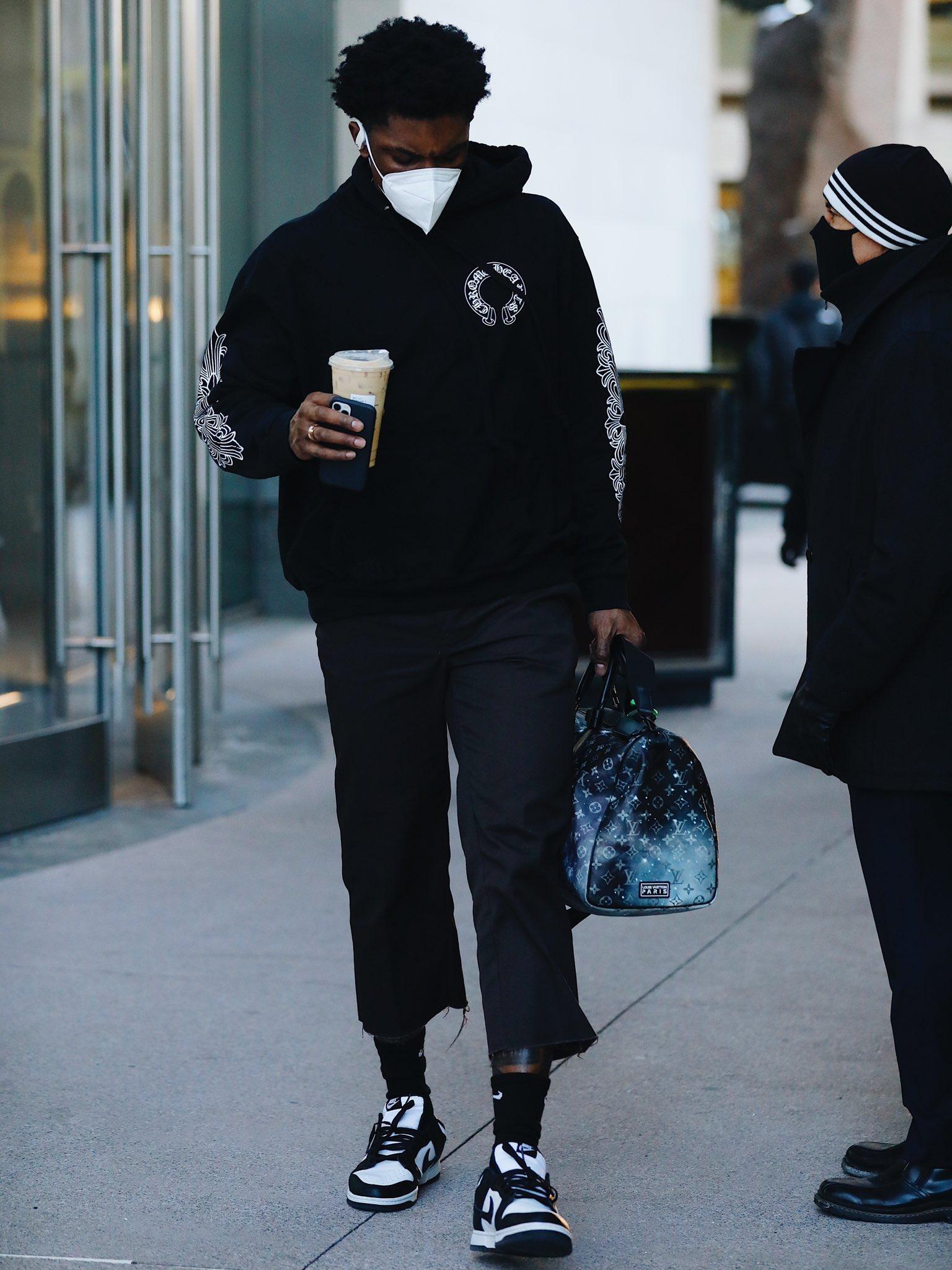
Chrome Hearts has become one of the most talked-about names in modern luxury fashion, yet it operates in a way that feels almost disconnected from mainstream marketing logic. There are no aggressive ad campaigns, no constant billboards, and no heavy digital advertising strategy pushing its products across platforms. Still, the brand holds strong influence across fashion, music, and street culture worldwide.
The question is not just how it became popular, but how it sustained demand while staying distant from conventional promotional systems. The answer lies in controlled visibility, cultural alignment, and a strong product philosophy that speaks louder than marketing campaigns.
A Strategy Built on Absence Rather Than Exposure
Most fashion brands rely on visibility. They invest heavily in advertising, influencer partnerships, and seasonal campaigns. chrome hearts took a different route by limiting exposure and letting demand build through scarcity and controlled access.
Products are not widely available in standard retail channels. Instead, distribution is selective, and retail locations are limited. This restriction creates a natural tension in the market where interest grows faster than availability. The result is a steady increase in attention without direct promotional spending.
This absence of traditional marketing has become part of the brand’s identity. People are not constantly reminded to buy it; instead, they seek it out.
Craftsmanship as the Core Communication Tool
One of the strongest pillars supporting Chrome Hearts’ reputation is the level of craftsmanship in its products. Each item is built with a heavy focus on materials, detailing, and manual work. Sterling silver hardware, leather construction, and intricate finishing processes are not treated as marketing points but as standard practice.
In luxury fashion, storytelling often replaces substance. Here, the product itself carries the message. Buyers tend to associate the brand with durability and physical presence rather than seasonal trends.
This approach builds trust over time. Customers return not because of advertising reminders, but because the product experience remains consistent across collections.
Cultural Adoption Through Music and Entertainment
Rather than paying for traditional endorsements, Chrome Hearts became embedded in music and entertainment circles organically. Artists, particularly in hip-hop and rock, began wearing the brand without structured sponsorship agreements in many cases.
Over time, it became visually associated with studio culture, stage performances, and everyday wear among influential figures in music. This type of adoption carries more weight than paid campaigns because it feels unforced.
When audiences see public figures repeatedly choosing a brand without obvious promotional contracts, perception shifts from marketing-driven popularity to cultural relevance.
Retail Experience Designed for Control
The brand’s retail approach also plays a major role in shaping its identity. Stores are not designed for mass traffic. Instead, they function as controlled environments where product selection and availability vary by location.
There is no standard formula for storefront presentation. Each space reflects a different design approach, often resembling private studios rather than conventional fashion outlets. This structure limits passive consumption and encourages intentional visits.
By controlling retail access, the brand maintains an environment where purchasing feels deliberate rather than casual.
No Dependence on Digital Advertising
In an era where most luxury brands rely heavily on social media campaigns and influencer partnerships, Chrome Hearts maintains a relatively low digital footprint. There is minimal reliance on paid online advertising, and official digital communication is limited compared to industry norms.
This absence creates curiosity. When consumers cannot constantly see a brand online, they tend to seek it through alternative channels such as resale markets, word-of-mouth, or cultural references.
Instead of chasing online attention, the brand allows external platforms to carry its image organically.
Scarcity as a Market Driver
Scarcity is not accidental in this model. Product availability is intentionally controlled, which affects both perception and demand. Limited production cycles and selective distribution prevent oversaturation.
In fashion economics, scarcity often increases perceived value. However, in this case, it also strengthens long-term brand positioning. Items are not treated as easily replaceable goods, but as long-term possessions.
This system discourages impulse buying and encourages more deliberate purchasing decisions.
Strong Identity Without Trend Dependence
Many fashion labels shift direction every season to align with trends. Chrome Hearts avoids heavy reliance on trend cycles. Instead, it maintains a consistent visual and material identity that does not change dramatically with seasonal shifts.
This consistency creates recognition across time. Even when new pieces are released, they maintain visual continuity with previous collections. That stability contributes to long-term brand recall.
Rather than reacting to trends, the brand operates on its own timeline.
Influence Through Resale and Secondary Markets
An often overlooked factor in the brand’s growth is its strong presence in resale markets. Items frequently circulate at high value due to limited supply and sustained demand.
This secondary market activity functions as indirect promotion. Buyers who cannot access retail stores often engage with resale platforms, which further increases exposure and discussion.
The resale ecosystem also reinforces perception of value retention, which is important in luxury fashion purchasing decisions.
Psychological Positioning in Luxury Fashion
Chrome Hearts does not rely on persuasion-based messaging. Instead, it relies on perception management through absence, control, and consistency.
Consumers are not constantly told why the brand matters. They interpret its value through visibility in culture, scarcity in access, and quality of materials.
This creates a psychological positioning where ownership feels earned rather than marketed. That distinction plays a major role in long-term loyalty.
Collaboration Strategy Without Overexposure
Collaborations exist but are not overly frequent or heavily promoted. When they occur, they often align with artists, designers, or cultural figures who already have strong independent followings.
Rather than using collaborations as a mass visibility tool, they are used selectively to maintain relevance within specific cultural segments.
This controlled approach avoids dilution of identity while still allowing periodic expansion into new audiences.
Trust Built Through Consistency
Trust in fashion brands is often built through repeated positive experiences. In this case, consistency in material quality, retail experience, and visual identity plays a central role.
Customers know what to expect in terms of craftsmanship and presentation. That predictability builds long-term confidence, especially in the luxury segment where buyers are sensitive to quality variation.
Trust here is not built through advertising claims, but through repeated product interaction.
Why the Model Continues to Work
The continued relevance of Chrome Hearts can be linked to its resistance to overexposure. In a market saturated with constant digital messaging, reduced visibility can create stronger curiosity and stronger perceived value.
At the same time, cultural alignment with music and entertainment ensures ongoing relevance without structured campaigns. The brand remains present in conversation without actively pushing itself into every platform.
This balance between absence and presence is difficult to replicate, which is why the model continues to hold attention in fashion analysis.
Conclusion
Chrome Hearts demonstrates that fashion influence does not always depend on traditional marketing structures. Through controlled distribution, cultural integration, craftsmanship, and scarcity, it built a position that operates outside standard promotional systems.
Instead of relying on advertising volume, it relies on controlled access and consistent product identity. Over time, this approach has shaped a strong market presence that continues to hold relevance across fashion and culture without conventional marketing dependence.
FAQs
1. Why does Chrome Hearts avoid traditional advertising?
The brand relies on scarcity, craftsmanship, and cultural visibility instead of paid campaigns, allowing demand to form organically.
2. How does Chrome Hearts maintain demand without mass marketing?
Limited availability, strong resale value, and presence in music and entertainment help maintain consistent interest.
3. Is Chrome Hearts widely available in retail stores?
No, availability is controlled through selected retail locations and limited distribution channels.
 English
 Macedonia
 Deutsch