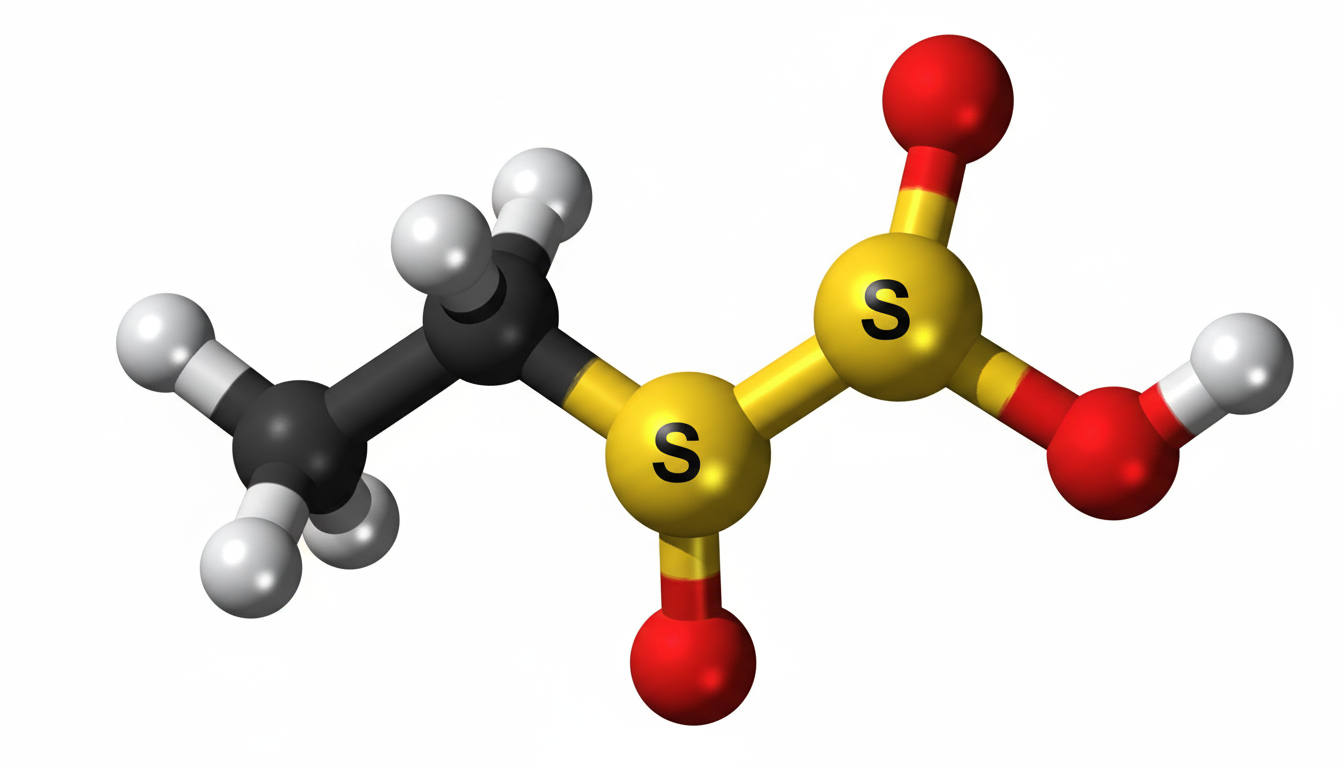
ethylene sulfate is an important chemical compound widely studied in industrial chemistry and materials science. It is mainly known for its role in electrolyte formulations and advanced chemical processes. Because of its unique structure and reactivity, it is used in several specialized applications, especially in energy storage and laboratory research. Understanding its properties and uses helps explain why it is valuable in modern chemical industries.
What is Ethylene Sulfate?
Ethylene sulfate is an organic sulfate compound that is commonly associated with electrochemical and synthetic applications. It is often used as an additive or intermediate in chemical reactions. In many cases, it plays a role in stabilizing reactions or improving performance in electrolyte systems. Its molecular behavior makes it suitable for controlled chemical environments where precision is required.
Physical and Chemical Properties
Ethylene sulfate is generally characterized by high reactivity under specific conditions. It is stable when stored properly but can react with moisture or other reactive substances. Its structure allows it to interact efficiently in electrochemical systems, which is why it is commonly used in battery-related research. It has properties that support ion transport and chemical stability, making it useful in high-performance applications. Researchers also study it to understand how sulfate-based compounds behave in different environments.
Industrial and Laboratory Uses
One of the most important uses of ethylene sulfate is in the field of energy storage, especially lithium-ion battery electrolytes. It is often used as an additive to improve battery life, stability, and charging efficiency. In laboratory settings, it is used for research in organic synthesis and electrochemistry. Scientists also explore its role in improving conductivity and reducing degradation in chemical systems.
In addition, it is used in developing advanced materials where controlled chemical reactions are required. Its ability to influence reaction pathways makes it valuable in experimental chemistry. Industries working with high-performance electronics and energy systems often study ethylene sulfate for future applications.
Safety and Handling
Like many chemical compounds, ethylene sulfate must be handled with care. It should be stored in controlled environments away from moisture and incompatible substances. Proper protective equipment such as gloves and safety goggles is recommended when handling it in laboratory conditions. Exposure should be minimized, and safety guidelines must always be followed according to chemical handling standards.
Researchers emphasize safe usage because improper handling can lead to unwanted reactions. Proper ventilation and storage practices are important to maintain stability and reduce risks.
Conclusion
Ethylene sulfate is a specialized compound with significant importance in modern chemistry, especially in energy storage and research applications. Its role in improving electrolyte performance and supporting chemical stability makes it valuable in scientific and industrial fields. As research continues, its potential uses may expand further, particularly in advanced battery technologies and material science.
 Macedonia
 English
 Deutsch
 Подршка