Macedonia
 English
Emollients in Personal Care Industry Expected to Expand at 3.6% CAGR Through 2034
Уметност |
2025-10-29 12:44:04
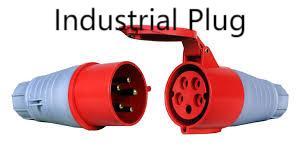
Early in project design, choosing the correct Industrial Plug avoids costly rework and improves operability; specifying a properly rated Industrial Plug at the system level ensures safe mating, predictable thermal behavior, and easier maintenance across demanding sites. Selecting the right family, material set, and sealing approach up front reduces field failures, shortens commissioning time, and lowers lifetime service costs.
Accurately document continuous currents, motor inrush, expected peaks, voltage class, and duty cycle before selecting a plug family. Apply manufacturer derating curves for elevated ambient temperatures and altitude — a connector that meets nameplate ratings at 20°C can overheat if installed in an enclosed, hot cabinet. Also plan for transient events and short-circuit withstand; connectors should be paired with protective devices sized for the system to prevent contact overload.
Contact metallurgy and plating determine conductivity, contact resistance evolution, and corrosion tolerance. Copper alloys with silver plating are common for power contacts because of silver’s conductivity; nickel or special coatings provide improved resistance in corrosive atmospheres. For signal contacts, gold plating prevents oxidation. Ask suppliers for contact resistance curves over mating cycles and specify spring designs that maintain contact force throughout the product’s rated life.
Match ingress protection to the real environment: dust, washdown, outdoor spray, or occasional immersion all require different IP classes. Ensure cable glands, backshells, and mating faces use compatible sealing compounds so seals remain effective after many connects and disconnects. For mobile equipment or vibration-prone installations, choose strain-relief solutions that preserve seal compression and prevent seal creep. Selecting elastomers rated for ozone, oil, and UV extends service life considerably.
How connectors lock together affects reliability. Threaded collars, bayonet locks, and lever-actuated clamps offer different tradeoffs between speed and retention force. Interlocks prevent accidental disconnection under load, and keyed arrangements prevent mismating in multi-connector panels. Shuttered contacts and insulated housings reduce touch risk when plugs are unmated. Specify the retention and safety features appropriate to the installation’s operational risk profile.
Multiple high-current connectors in close proximity create hotspots. During system design, allow thermal spacing, use thermally conductive mounting plates, or provide ventilation to dissipate heat. When panels are densely packed, consider conductive backplanes or heat sinks for connector mounting. Also verify rear-side cable bend radii and adequate clearance for strain reliefs — tight bends raise conductor stress and can accelerate connector failures.
Modular connector families simplify spares and field repair. Interchangeable inserts, standardized mounting footprints, and common accessories reduce the variety of spare parts necessary. Request spare-part lead times and suggested spare kits for critical sites — gaskets, contact inserts, and locking collars are typical consumables. A modular approach also eases private-label customization without retooling entire production lines.
Ask suppliers for endurance test reports (mating cycles), contact resistance measurements, dielectric strength, and environmental exposure testing (salt spray, thermal cycling). Third-party certifications (IEC, UL, regional marks) help meet regulatory needs. For mission-critical deployments, run pilot units under representative load, vibration, and contamination conditions to confirm performance before large-scale roll-out. Factory Acceptance Tests and batch traceability reduce production variability.
Good installation preserves connector life: use calibrated torque tools for terminals, secure strain reliefs, and separate power and control wiring to limit interference. Label both plug and socket sides and maintain wiring diagrams in the field. Establish periodic maintenance checks—verify terminal torque, inspect seals, and measure contact resistance—so degradations are addressed proactively, avoiding unplanned outages.
When evaluating suppliers, request technical datasheets, derating charts, spare-part lists, and sample performance data. Confirm MOQ flexibility, lead times, and after-sales support for wear items. For rental fleets or mobile equipment, prioritize designs with easy-to-replace inserts and accessible servicing procedures to minimize MTTR and lifecycle cost.
Treat the connector selection as a system engineering decision involving electrical, thermal, mechanical, and maintenance considerations. Prioritize correct ratings, appropriate materials, proven sealing strategies, and a clear spare-parts strategy to ensure predictable, safe operation. For further technical guidance and product details, see https://www.nante.com/news/industry-news/what-is-industrial-plug.html