English
 Macedonia
 Deutsch

Radiology Services Market Advances Through AI-Powered Diagnostic Technologies
Забави и ноќен живот |
2026-05-20 06:46:30
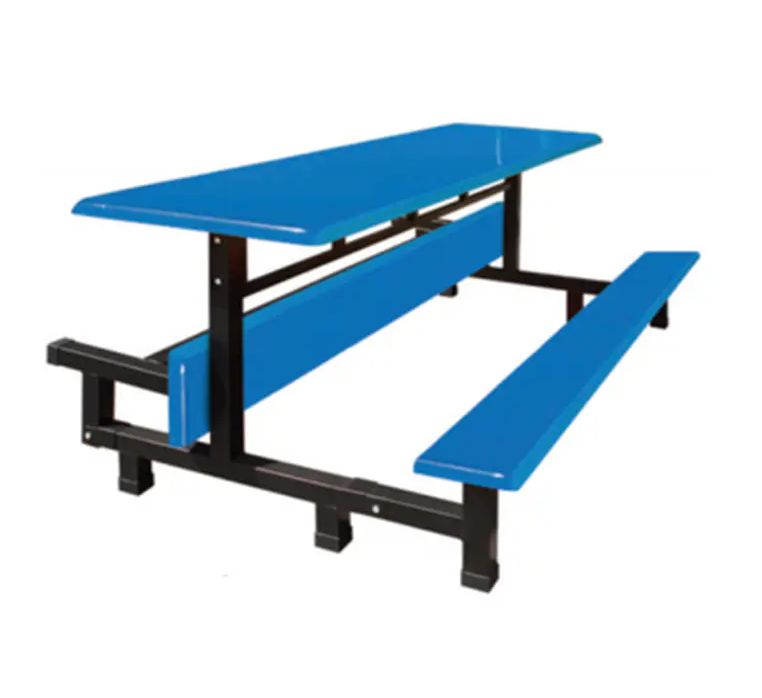
Buying canteen dining tables and chairs for a school, workplace, or public facility is one of those procurement tasks that looks simpler than it is. You need tables and chairs — how complicated can it be? Fairly, as it turns out. The decisions made at the specification stage shape how well the furniture performs, how long it lasts, and how much it costs to maintain over the years that follow.
Start with the floor plan before you look at any product. The dimensions of the canteen space, the location of service points and exit routes, and the typical number of diners at peak times all determine what table format makes sense. Rectangular canteen dining tables seat more people per square metre and are easier to arrange in rows, which suits high-volume dining halls. Round canteen tables encourage face-to-face interaction and work well in smaller staff dining rooms or breakout areas where conversation matters as much as throughput. Some facilities use a mix of both, which gives the space visual variety and allows flexible reconfiguration.
Table height is a detail that rewards attention. Standard canteen dining tables sit at around 720mm to 750mm, which is comfortable for most adults seated in a conventional dining chair. Where the user group includes wheelchair users or younger children, adjusted heights — or a proportion of tables at accessible heights — become important. Getting this right from the start avoids the awkward retrofitting that plagues canteens specified without inclusive design in mind.
For canteen chairs, the material choice has direct consequences for noise levels in the room. A hall full of metal-legged chairs on a hard floor generates significant scraping and clattering during a busy lunch service. Chairs with nylon or rubber feet gliders dramatically reduce this, and the difference in acoustic comfort during a packed session is genuinely noticeable. Upholstered seat pads add comfort but introduce a cleaning and wear consideration — vinyl or faux-leather upholstery is far more practical in a canteen context than fabric, which absorbs spills and harbours odours over time.
Warranty terms and the availability of replacement parts are worth factoring into any canteen furniture decision. A chair that is no longer manufactured three years after purchase leaves you with a mismatched set when pieces inevitably need replacing. Choosing canteen dining chairs and tables from ranges with long production runs, or specifying from suppliers who hold stock of common replacement components, quietly extends the useful life of the whole installation. In commercial dining furniture, longevity is a feature worth paying for.